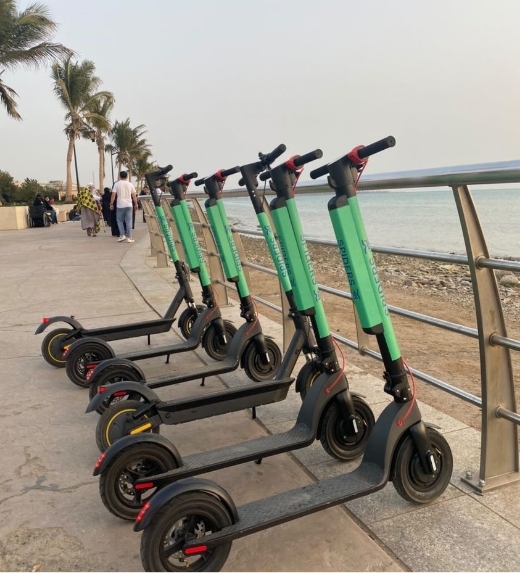
In modern urban environments, the journey does not end the moment passengers exit a bus or metro; it concludes only when they arrive at their final destination. This “last mile” leg has historically posed one of the greatest challenges in public transportation, often shaping commuters’ choices between shared mobility and private vehicles. Innovative last-mile solutions powered by electric scooters, bicycles, and intelligent micro-vehicles are revolutionizing urban mobility. By seamlessly connecting transport hubs to end-users, these solutions transform fragmented commutes into smooth, sustainable journeys. They enhance efficiency, reduce carbon footprints, and align perfectly with ambitious national strategies like Saudi Arabia’s Vision 2030, which strives to create smarter, greener, and better-connected cities. As a frontrunner in electric mobility solutions, Spiders is at the heart of this urban evolution, delivering intelligent transportation alternatives that alleviate congestion, foster connectivity, and propel urban life into the future.
The “Last Mile” Challenge
The last part of a journey, from transit stops to the final destination, is often the most challenging for smooth and sustainable urban travel. This short distance can determine whether people choose public transport or their own cars, affecting traffic and pollution. Bridging this gap requires fresh, smart solutions like electric scooters, bikes, and small smart vehicles that connect transit hubs seamlessly to users’ homes or workplaces. These options not only make travel easier and more efficient but also help cities become cleaner, greener, and better connected.
Connecting Public Transport to Users
The “last mile” is often what decides whether people use public transport — or abandon it. To bridge this gap, cities need seamless, flexible, and sustainable solutions.
Key points:
-
- The real gap: Traditional transport ends at the station, not at the passenger’s destination.
- Smart connection: Electric scooters and micro-vehicles offer fast, clean access from stops to workplaces or homes.
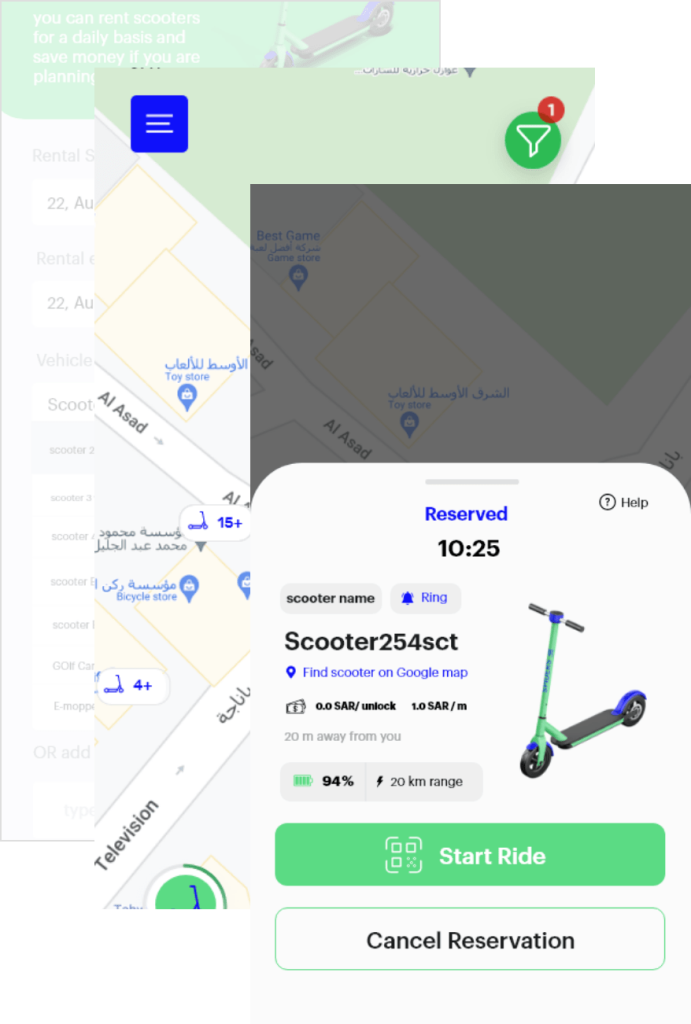
- User convenience: App-based rentals and shared hubs make it easier for commuters to switch modes effortlessly.
- Urban impact: Integrating last-mile mobility boosts public transport use, reduces congestion, and supports greener cities.
Electric Micromobility: The Heart of Last-Mile Solutions
Electric micromobility lies at the core of modern urban transport: compact, efficient, and emission-free. Spiders’ fleet of smart electric scooters and micro-vehicles provides the perfect solution for short urban trips, offering users speed, safety, and convenience within a few clicks.
Highlights:
-
- Smart design: Spiders’ electric scooters and vehicles are built for stability, comfort, and seamless city travel.
- Eco-friendly impact: Zero-emission mobility reduces congestion and supports cleaner air in dense urban areas.
- Easy access: Users can locate, unlock, and ride via Spiders’ connected app, ensuring smooth and efficient commuting.
- Integrated movement: Each ride complements public transport, closing the gap between stations and final destinations.
Technology that Moves People Efficiently
Smart integration turns mobility into a connected experience — combining technology, data, and real-time insights to move people safely and efficiently. Spiders leads this transformation with electric mobility systems designed for smart cities and high-traffic environments.
Key points:
-
- Connected ecosystem: Spiders’ platform uses IoT and data analytics to manage fleets, monitor usage, and ensure safety.
- Practical deployment: Already adopted in Saudi universities, hospitals, and even during Hajj seasons, where mobility efficiency is essential.
- Seamless user experience: Riders can locate, unlock, and park vehicles through an app that connects with public transport networks.
- Data-driven management: Real-time insights improve performance, optimize routes, and reduce waiting times.
Sustainability in Motion: Green Transport for Greener Cities
Sustainability is the heartbeat of Spiders’ vision for future mobility. Every electric scooter and micro-vehicle on the road is a step toward cleaner air, quieter streets, and smarter energy use. Key strengths include:
-
- Zero emissions: Our fully electric fleet slashes carbon footprints, directly supporting Saudi Arabia’s ambitious green initiatives.
- Superior energy efficiency: Designed for minimal power consumption and extended battery life, maximizing environmental benefits with every ride.
- Transforming urban life: By reducing traffic congestion and noise pollution, Spiders helps create calmer, healthier cities.
- Aligned with Vision 2030: Our commitment accelerates national goals for renewable energy and eco-friendly transportation, making Saudi cities models of sustainability and innovation.
Overcoming Challenges
The shift to electric mobility isn’t without its challenges, but today, it’s no longer optional. From upgrading infrastructure to shaping user awareness, progress is being made step by step.
Key points:
-
- Infrastructure: Expanding charging points and parking spaces is key to making electric transport practical and accessible.
- Policy support: Continuous coordination with local authorities helps create flexible regulations that encourage investment and innovation.
- User awareness: Promoting safe, sustainable habits builds confidence and long-term adoption.
- Service development: Smarter integration between apps and public transport creates a seamless, connected mobility experience.
Despite the challenges, Spiders has proven that electric transport isn’t just the future, it’s the smarter choice for today. Cleaner, faster, and more efficient, it’s how cities are already moving forward.
Cities Leading the Last-Mile Revolution
Below are some of the world’s leading examples of integrating electric micromobility with public transport systems:
| City | Key Initiative | Main Impact / Outcome |
|---|---|---|
| Copenhagen | Integrated e-bike and scooter hubs at metro and bus stations. | Reduced short car trips by 20% and increased public transport use. |
| Paris | Citywide e-scooter and bike-sharing programs connected to metro lines. | Decreased inner-city congestion and improved first/last-mile efficiency. |
| Singapore | National “Smart Mobility” strategy promoting shared electric micro-vehicles. | Enhanced urban efficiency and lowered CO₂ emissions. |
| Dubai | Designated e-scooter zones and digital permits as part of Smart Dubai 2030. | Boosted sustainable transport options and improved city accessibility. |
| London | Partnerships with micro-mobility startups to complement bus and rail networks. | Expanded commuter reach and supported green transport goals. |
| Amsterdam | Seamless integration of shared bikes and scooters into transit ticketing systems. | Created a model for multimodal, emission-free commuting. |
| Riyadh | Emerging pilot projects for e-scooter use in public areas and campuses. | Testing the future of electric last-mile solutions in Saudi cities. |
Conclusion
The future of mobility isn’t about speed; it’s about connection. Connection between people and places. Between technology and the environment. Between today’s needs and tomorrow’s possibilities. Every city has its own rhythm, and Spiders is here to make that rhythm flow silently, sustainably, and smartly. Because progress doesn’t always roar down highways; sometimes, it glides quietly through campuses, parks, and city streets on two wheels. The world is already moving. Spiders just makes sure it moves better.